
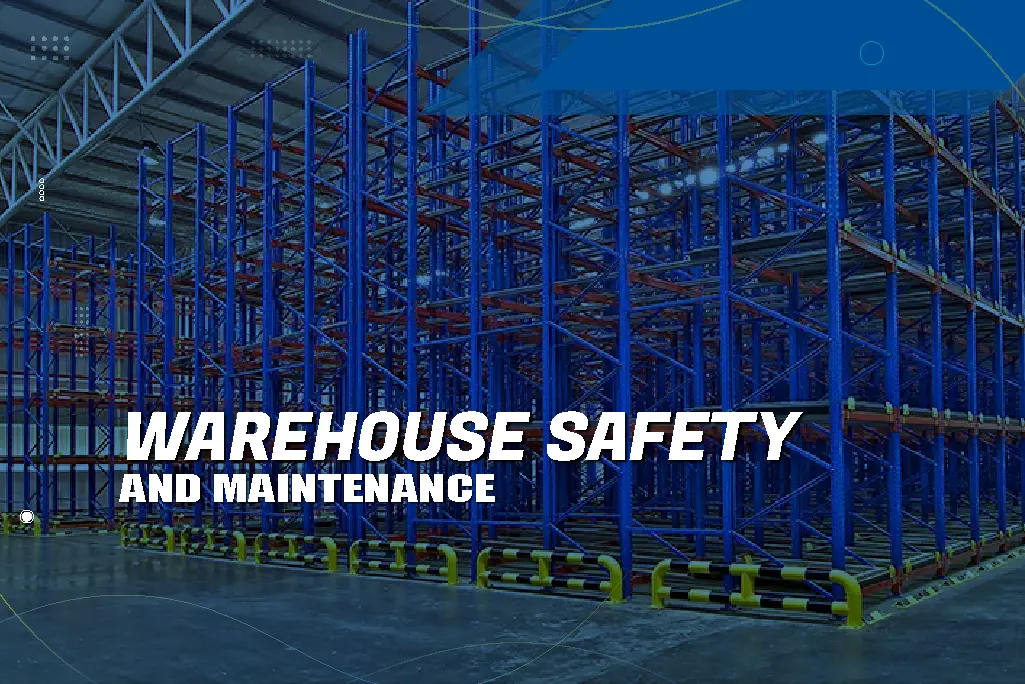
Why compliance alone is not enough to protect warehouse operations
Many warehouses approach safety as a compliance requirement. Inspections are completed, documentation is filed, and operations continue as usual. While compliance is essential, it represents only the minimum acceptable standard.
True warehouse safety is not about passing inspections. It is about protecting people, maintaining operational continuity, and reducing long term risk.
The Difference Between Compliance and Real Safety
A warehouse can meet regulatory requirements and still operate with significant hidden risk. Compliance focuses on whether a system meets minimum standards at a specific moment in time. Safety focuses on how that system performs every day under real operating conditions.
Compliance addresses rules, not behavior
Regulations define requirements, but they do not account for daily impacts, equipment wear, or changes in workflow. Forklift traffic, load variations, and operational pressure gradually affect systems beyond what a checklist can capture.
Safety reflects operational reality
A safe warehouse considers how systems are used, how frequently impacts occur, and how layouts influence behavior. Maintenance decisions must reflect actual conditions, not just documented compliance.
Why Maintenance Is a Critical Safety Factor
Maintenance is often treated as a reactive task. Issues are addressed only after visible damage occurs. This approach increases risk over time.
Small issues become structural problems
Minor damage left unaddressed can weaken rack components, compromise anchoring, and reduce load capacity. Over time, these small issues accumulate and create systemic vulnerability.
Deferred maintenance increases exposure
When maintenance is postponed, warehouses face higher risk of sudden failures, emergency shutdowns, and unplanned disruptions. These events often occur during peak operations when impact is greatest.
Operational Risk of Inconsistent Maintenance Practices
Not all maintenance failures are dramatic. Many risks develop quietly through inconsistency.
Uneven safety conditions across the facility
When maintenance is applied selectively, some areas meet acceptable standards while others operate at elevated risk. This inconsistency increases the likelihood of accidents and inspection findings.
Lack of documentation and visibility
Without a structured maintenance approach, damage history is often undocumented. Decision makers lose visibility into recurring issues and are unable to identify patterns that indicate deeper problems.
Safety, Downtime, and Business Impact
Warehouse safety failures rarely remain isolated incidents. They ripple through operations and finances.
Downtime caused by preventable issues
Rack failures, anchor problems, and structural damage can force immediate shutdowns. Even short interruptions can disrupt fulfillment schedules and strain customer relationships.
Financial and legal consequences
Injuries, damaged inventory, and regulatory penalties increase costs far beyond the original maintenance expense. In some cases, delayed action can expose management to legal liability.
Moving From Compliance to a Proactive Safety Strategy
Warehouses that prioritize safety move beyond checklists and adopt a proactive mindset.
Regular evaluation instead of reactive fixes
Routine assessments allow facilities to identify risk early, address root causes, and plan corrective action without disrupting operations.
Safety as part of operational planning
When safety and maintenance are integrated into planning decisions, warehouses gain stability, predictability, and long term resilience.
Proactive safety management is not about exceeding regulations. It is about protecting people, inventory, and the business itself.
Building a Safer and More Reliable Warehouse
Compliance may satisfy requirements, but it does not guarantee safety. Maintenance decisions, operational behavior, and system design determine whether a warehouse truly operates at an acceptable risk level.
Understanding the difference between being compliant and being safe allows decision makers to protect their operations before problems escalate. A warehouse that prioritizes safety and maintenance is better positioned to operate efficiently, responsibly, and without unexpected disruption.